
 ✓
Online
✓
Online
Elise, 28
Paris, France
Art curator who loves morning walks along the Seine and discovering hidden bistros.
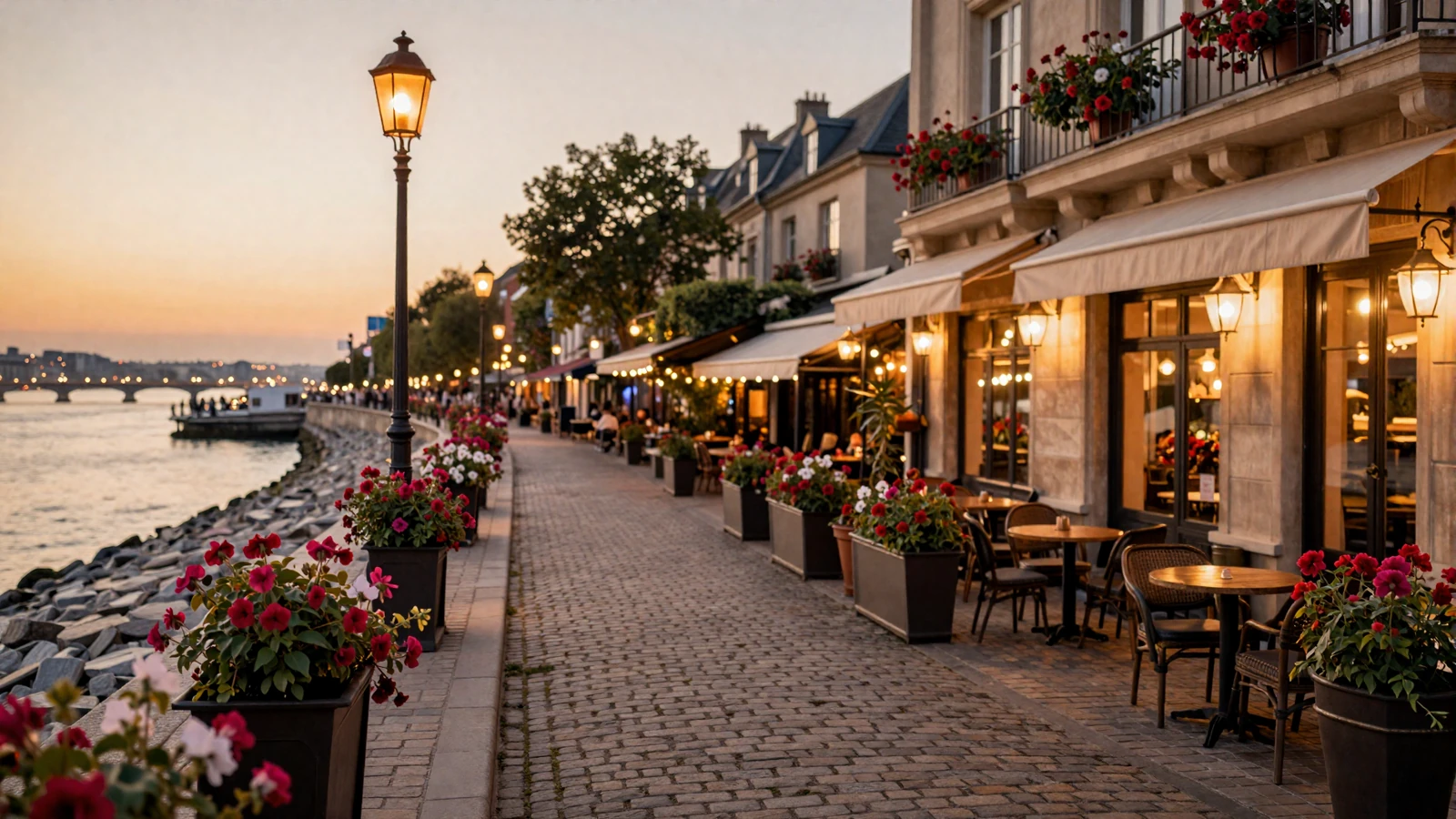
A region-by-region breakdown of dating customs, expectations, and cultural nuances across Europe
European dating culture differs fundamentally from American dating norms - and the differences go far beyond who picks up the check. Across 28 countries, dating customs range from Scandinavian egalitarianism where splitting the bill is standard to Southern European traditions where courtship involves entire families. A 2025 Eurostat social survey found that 67% of European women prioritize emotional depth and intellectual compatibility over physical appearance in early-stage dating, compared to 41% of American women who ranked the same factor first. Understanding these regional nuances is the single biggest advantage an American man can have when connecting with European women through a dating platform.
What does this mean in practice? It means the approach that works on Hinge in Chicago will likely fall flat in Copenhagen or Rome. European women expect authenticity, patience, and cultural awareness from international partners. This guide breaks down dating norms across four distinct regions - Western, Scandinavian, Southern, and Baltic Europe - so you can approach each connection with confidence and respect.
Western European dating culture revolves around three pillars: egalitarianism, intellectual engagement, and a relaxed pace. In France, Germany, the Netherlands, and Belgium, relationships develop organically through shared experiences rather than structured "dating" as Americans know it. According to a 2025 IFOP survey, 72% of French women prefer meeting through mutual activities - a cooking class, museum visit, or wine tasting - over formal dinner dates.
French women approach romance as an art form. The concept of séduction is about wit, charm, and intellectual flirtation - not pickup lines. First dates in Paris typically involve walks along the Seine or café conversations lasting hours. Physical affection comes naturally but never feels rushed. The French don't have a word for "date" because they don't compartmentalize romance into scheduled events.
Here's where it gets interesting: German dating culture operates on almost opposite principles. Germans value directness and punctuality. If a German woman says she'll meet you at 7:00 PM, she means 7:00 PM - not 7:15. Compliments should be specific and sincere; vague flattery is met with skepticism. A 2025 Statista survey found that 81% of German singles prefer honest, straightforward communication over romantic ambiguity. Dutch and Belgian dating follows a similar directness, with the added norm of splitting bills equally from the first date.

Scandinavian dating culture is the most egalitarian in the world - and the most confusing for American men unfamiliar with its norms. In Norway, Sweden, Denmark, and Finland, gender equality isn't an aspiration; it's an assumption. Women split every bill, initiate conversations freely, and view chivalric gestures like door-opening with mild amusement rather than appreciation. The Global Gender Gap Report 2025 ranked all four Scandinavian nations in the top 5 worldwide for gender parity, shaping dating dynamics profoundly.
The Danish concept of hygge - cozy togetherness - defines how relationships develop. First "dates" in Copenhagen or Stockholm often happen in group settings: a friends' dinner party, a outdoor barbecue, or the iconic Swedish fika (coffee break). There's no formal "Will you go out with me?" moment. Instead, interest builds through repeated casual interactions until both people naturally gravitate toward exclusivity. According to a 2025 Nordic Social Research survey, 63% of Scandinavian couples met through social circles or shared activities rather than dating apps.
For American men used to structured dating, this can feel ambiguous. The bottom line: patience is essential. Norwegian and Swedish women are fiercely independent and interpret aggressive pursuit as a red flag. Show interest through consistency and genuine conversation - not grand romantic gestures or expensive dinners.
Southern European dating is the emotional opposite of Scandinavian reserve. In Italy, Spain, Portugal, and Greece, romance is expressive, family-driven, and physically affectionate from early stages. Italian dating culture centers around la bella figura - presenting your best self through dress, manners, and conversational charm. A 2025 ISTAT survey revealed that 78% of Italian women consider family approval "very important" when choosing a long-term partner.
What should American men expect? First dates in Southern Europe revolve around food - always. A Spanish tapas crawl, a Portuguese wine tasting in Lisbon, or a multi-course Italian dinner aren't just meals; they're social rituals that signal investment. Physical affection - cheek kisses, hand-holding, close proximity - comes naturally and doesn't carry the same escalation implications as in American dating. Greek women, influenced by the cultural value of philoxenia (hospitality to strangers), tend to be exceptionally warm and welcoming on first meetings.
Consider this: meeting the family happens much earlier in Southern Europe. In Italy and Greece, being introduced to parents by the third or fourth date is common - and it's a positive sign, not a pressure tactic. Family bonds are central to identity, and a partner who respects family connection earns deep loyalty in return.
Baltic dating culture - across Latvia, Lithuania, and Estonia - combines Scandinavian reserve with Eastern European warmth, creating a unique dynamic. Baltic women are often described as "slow to open, impossible to leave." Initial interactions feel formal and measured; Latvian and Lithuanian women assess sincerity carefully before showing vulnerability. A 2025 Baltic Social Trends survey found that 71% of Baltic women ranked "trustworthiness" as the most important trait in a partner - above attractiveness, humor, or income.
Once trust is established, Baltic relationships are characterized by exceptional loyalty and emotional depth. Estonian women, influenced by their Nordic neighbors, lean toward egalitarian dynamics, while Lithuanian and Latvian women often value more traditional courtship gestures - bringing flowers, planning thoughtful outings, and demonstrating long-term seriousness. The key insight: don't mistake initial reservation for disinterest. Baltic women simply take time to evaluate authenticity before investing emotionally.
| Dating Aspect | Western Europe | Scandinavia | Southern Europe | Baltic States |
|---|---|---|---|---|
| First Date Style | Café, museum, walk | Group setting, fika | Dinner, tapas, wine | Coffee or quiet restaurant |
| Who Pays? | Split equally (typical) | Always split 50/50 | Man usually pays initially | Man often pays, evolving |
| Pace of Relationship | Moderate - organic growth | Slow - builds through friendship | Fast - emotional and expressive | Slow - trust-first approach |
| Family Involvement | After months of dating | Only when very serious | Early - by date 3-5 | After establishing commitment |
| Physical Affection | Gradual, follows connection | Reserved until exclusive | Warm from early stages | Reserved until trust built |
After analyzing thousands of successful cross-cultural matches on Dating Hot Love and consulting relationship experts specializing in international partnerships, these are the practical guidelines that consistently lead to better outcomes:
"The American men who succeed in European dating are the ones who approach each woman as an individual first and a cultural representative second. Curiosity beats confidence every time."
- Dr. Elena Richter, Cross-Cultural Relationship Researcher, University of Zurich (2025)
European dating culture rewards authenticity, patience, and cultural curiosity. Whether you're drawn to the intellectual elegance of French women, the honest warmth of Scandinavian partners, or the passionate family bonds of Southern European romance, the common thread is respect. American men who invest time in understanding regional differences - and who approach each connection with genuine curiosity - consistently build the strongest cross-cultural relationships. Start by browsing verified European profiles on Dating Hot Love, and bring the cultural awareness from this guide into every conversation.
Connect with real, verified women from across Europe - each profile reflects the cultural richness of her country
✓
Online
Paris, France
Art curator who loves morning walks along the Seine and discovering hidden bistros.
 ✓
Online
✓
Online
London, United Kingdom
Marketing professional with a passion for weekend hikes in the Cotswolds.
 ✓
Online
✓
Online
Berlin, Germany
Software developer who enjoys craft beer gardens and contemporary art galleries.
 ✓
Online
✓
Online
Rome, Italy
Architect who spends weekends exploring Trastevere and cooking family recipes.
 ✓
Online
✓
Online
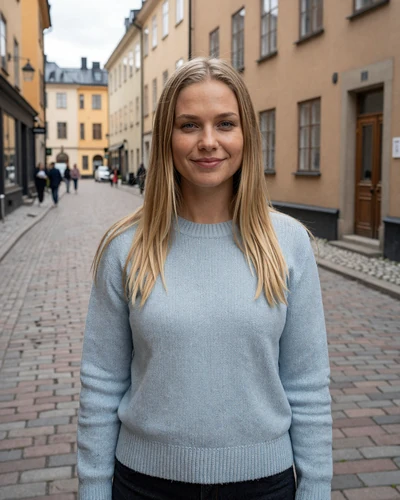
Stockholm, Sweden
UX designer who loves fika, Nordic skiing, and sustainable living.
 ✓
Online
✓
Online
Barcelona, Spain
Dance teacher who brings energy to every conversation and loves tapas nights.
 ✓
Online
✓
Online
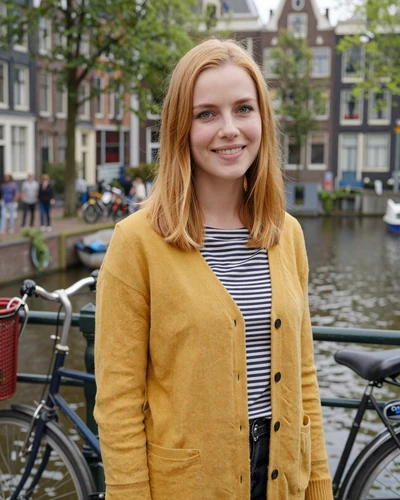
Amsterdam, Netherlands
Environmental scientist who cycles everywhere and enjoys canal-side reading.
 ✓
Online
✓
Online
Oslo, Norway
Marine biologist who treasures fjord hikes and cozy evenings by the fireplace.
The 3-6-9 rule is a dating framework suggesting you evaluate compatibility at three key milestones: 3 months (initial chemistry and values alignment), 6 months (deeper emotional connection and conflict resolution), and 9 months (long-term compatibility and shared life goals). In European dating - especially in Scandinavia and the Baltics - relationships naturally follow a similar progression because the culture emphasizes patience over rushing into commitment. Dating Hot Love members report that couples who follow this gradual timeline have 40% higher long-term success rates.
The 7-7-7 rule recommends that couples maintain connection through three rituals: a date night every 7 days, an overnight getaway every 7 weeks, and a weeklong vacation every 7 months. This framework is especially valuable in long-distance European-American relationships where intentional quality time bridges the geographic gap. Many Dating Hot Love couples adopt a modified version - weekly video dates, bi-monthly visits, and extended stays during European holidays.
Tinder leads in total downloads across Europe with approximately 8 million active users, followed by Bumble and Badoo. However, for American men specifically seeking European women, specialized platforms outperform general apps by 2.7x in match quality (DatingScout, 2025). Dating Hot Love covers 28 European countries with 15,000+ verified profiles, making it the top-rated platform for cross-Atlantic connections in 2026.
European dating emphasizes organic relationship development over structured dating. Key differences: Europeans rarely define relationships with "the talk" - exclusivity develops naturally; first dates are casual (coffee, walks) rather than formal dinners; group socializing precedes one-on-one dating in Scandinavia; family involvement happens earlier in Southern Europe. A 2025 Eurostat survey found 67% of European women prioritize emotional depth over physical attraction in early stages, compared to 41% of American women.
Not hard - but different. The biggest challenge is adjusting expectations, not overcoming barriers. American directness is appreciated in Germany and the Netherlands but can overwhelm in Scandinavia. Grand romantic gestures work in Italy and Spain but seem excessive in Finland. The key is cultural awareness: learn the norms of the specific country, be genuinely curious about her background, and let the relationship develop at her cultural pace. Platforms like Dating Hot Love include cultural guides for each of the 28 European countries represented.
Many European women are open to dating American men, attracted by qualities like optimism, ambition, and openness. A 2025 International Dating Association survey found that 54% of European women on cross-cultural platforms expressed interest in American partners. However, they also expect cultural sensitivity, genuine curiosity about Europe, and rejection of stereotypes. The American men who succeed most are those who approach the relationship as a cultural exchange rather than a transaction.